How important is a dual boiler when choosing a luxury espresso machine?
Dual boilers let you brew and steam at once with independent control. Whether you need one depends on how you drink.
A dual boiler lets you brew and steam simultaneously with independent, precise temperature control, which is valuable if you make several milk drinks in a row or want to dial in light roasts. If you drink mostly straight espresso, a heat exchanger or well-made single boiler can serve just as well, so match it to your habits.
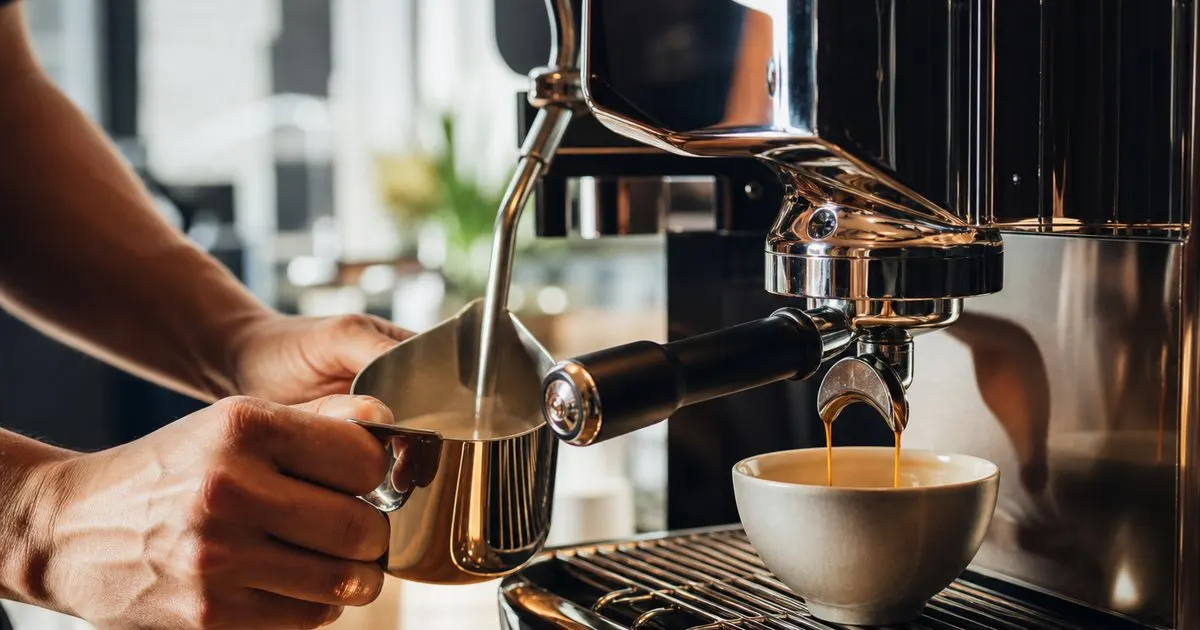
What a dual boiler does
A dual boiler uses one boiler for brewing and a separate one for steam, each with independent temperature control. This means you can hold a precise brew temperature while steaming at full power, with no compromise between the two tasks. Related: What does PID temperature control really do for espresso quality at home?
The practical result is that you can pull a shot and steam milk simultaneously, without waiting for the machine to switch modes. For anyone making milk drinks, this removes a real bottleneck and keeps the whole process smooth and quick.
Keep reading: What actually separates a prosumer espresso machine from an everyday home model?, Should you pair your espresso machine with a separate high end grinder?, What does PID temperature control really do for espresso quality at home?. See how Cremaholm helps you a connoisseur guide to prosumer and luxury espresso machines.
How it compares to a heat exchanger
A heat exchanger, or HX, machine also lets you brew and steam together, using a single boiler with a clever passage that draws brew water through it. HX machines are excellent and often more affordable, though they require a brief flush to stabilize brew temperature. Related: How do you plan plumbing and water treatment for a luxury espresso setup?
A dual boiler offers more precise, independent brew temperature control and easier temperature adjustment, which appeals to those who want to fine-tune for different coffees. The trade-off is generally higher cost and a little more complexity inside the machine.
When it truly matters
If you regularly make several milk drinks in a row, or want precise control to dial in light, modern roasts, a dual boiler earns its premium. It suits busy households and enthusiasts who value both speed and temperature accuracy.
If you mostly drink straight espresso, or make milk drinks only occasionally, a heat exchanger or even a well-made single boiler can serve you beautifully. The dual boiler's advantages are real but not universal, so match it to how you actually drink.
Judging the whole machine
A dual boiler is a strong feature, but it does not guarantee a great machine on its own. The quality of the group head, temperature stability, build, and steam still determine the result, so weigh the boiler configuration within the whole package. Related: Which build materials and boilers hold up best in a prosumer espresso machine?
Consider also whether you want to plumb in and whether you value pressure profiling, features that often appear alongside dual boilers at the higher end. Let your drinking habits and desired control, rather than the label alone, guide the decision. Related: How much does pressure profiling actually change the espresso in your cup at home?
- A dual boiler brews and steams at once with independent temperature control.
- Heat exchanger machines also do both, often cheaper, with a quick flush.
- Dual boilers shine for frequent milk drinks and precise temperature tuning.
- For mostly straight espresso, an HX or single boiler can serve beautifully.

Julien Jimenez
Julien Jimenez is an independent software builder based in Paris. He designs, ships, and operates focused SaaS products for small businesses and independent professionals. Read the full author page.
Frequently asked questions
What is the difference between dual boiler and heat exchanger?
Both let you brew and steam together. A dual boiler uses two independent boilers for precise control, while a heat exchanger uses one boiler with a passage for brew water and needs a brief flush to stabilize temperature.
Do I need a dual boiler for lattes?
It helps, especially for several drinks in a row, but a good heat exchanger machine also brews and steams together well. The dual boiler mainly adds precision and independent temperature control.
Cafe-Grade Espresso, At Home
A connoisseur guide to prosumer and luxury espresso machines. Cremaholm is built to help you put this into practice.
Find your machineMore from the Cremaholm blog

Get the complete espresso machines guide
Our full buying guide, the price guide, and new research as we publish it. One email, no spam, unsubscribe any time.