How much does pressure profiling actually change the espresso in your cup at home?
Flow and pressure control is the headline feature on many five figure machines. Here is what it genuinely changes, what it does not, and who benefits.
What a pressure profile actually is
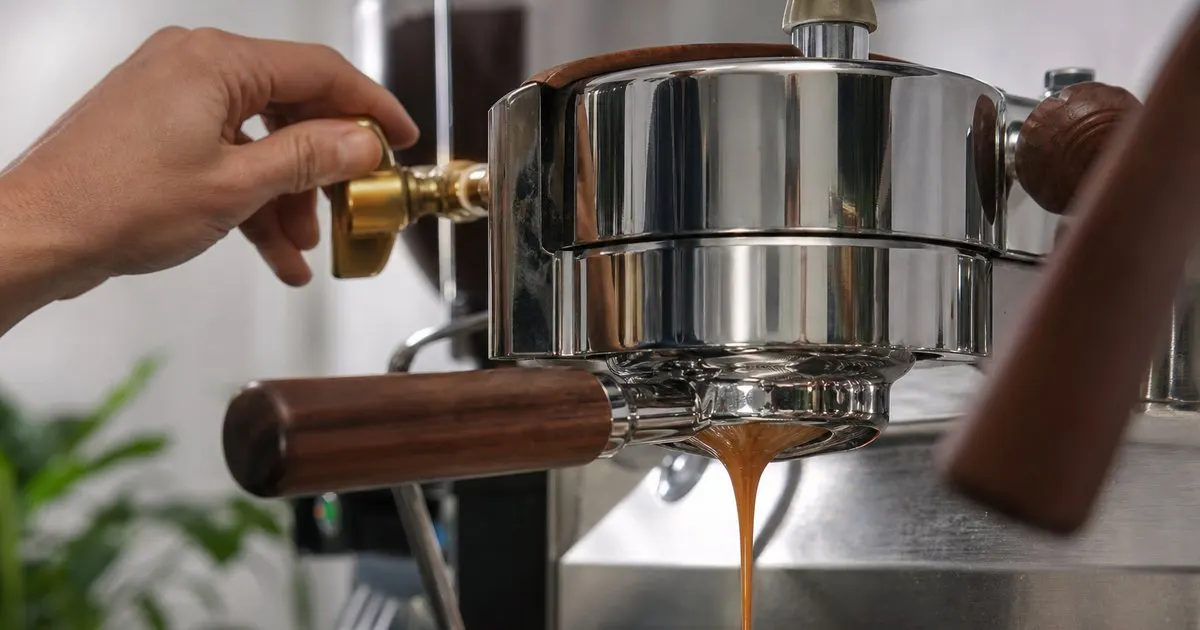
A conventional espresso machine pushes water through the coffee bed at a fixed pressure, typically around nine bar, for the entire extraction. Pressure profiling means changing that pressure deliberately during the shot: a gentle ramp at the start, a plateau in the middle, and often a slow decline toward the end. Some machines do this with a manual paddle or lever, others with a programmable pump that follows a saved curve, and a growing number offer flow control instead, where you set how much water enters the group per second and pressure follows as a consequence. Related: What actually separates a prosumer espresso machine from an everyday home model?
The distinction between pressure and flow matters more than the marketing suggests. With a flow control valve you are managing the rate of water, and the puck's resistance decides the pressure. With pump driven pressure profiling you set the target pressure and the flow adjusts. Both reach similar places in the cup, but flow control tends to be more forgiving of a slightly loose grind, while true pressure profiling gives more precise repeatability once you have found a recipe you like. Related: What does PID temperature control really do for espresso quality at home?
Keep reading: What actually separates a prosumer espresso machine from an everyday home model?, How important is a dual boiler when choosing a luxury espresso machine?, Should you pair your espresso machine with a separate high end grinder?. See how Cremaholm helps you a connoisseur guide to prosumer and luxury espresso machines.
Where it changes the cup, and where it does not
The clearest gains come at the start and the end of the shot. A low pressure pre-infusion phase wets the puck evenly before full pressure arrives, which reduces channeling and lets you grind finer without choking the machine. A declining pressure at the end keeps the last portion of the extraction from turning harsh, which is why many people describe profiled shots as rounder and sweeter. Lightly roasted, dense coffees benefit most, because they are the hardest to extract evenly under a flat nine bar.
What profiling will not do is rescue poor fundamentals. A stale coffee, a grinder that produces inconsistent particles, or careless distribution will produce a mediocre shot on the most sophisticated machine available. Medium and darker roasts, which extract readily, often show only subtle differences between a profiled shot and a well pulled standard one. If your daily coffee is a classic chocolatey blend, the benefit exists but is modest. Related: Should you pair your espresso machine with a separate high end grinder?
Manual paddles versus programmed curves
A manual paddle or lever rewards attention. You feel the shot, watch the stream, and adjust in real time, which is deeply satisfying and also the fastest way to learn what pressure does. The cost is consistency: every shot depends on your hand that morning, and a partner who simply wants a good cappuccino may find it fussy. Machines with a saved profile remove that variability, replaying the same curve every time and turning a discovery into a daily routine.
Many of the best machines in the luxury tier offer both, a paddle for exploration and memory slots for the profiles you settle on. When comparing candidates, look at how easy it is to record a manual shot as a profile, how many steps a curve can contain, and whether the display shows live pressure and flow together. Those details separate a feature you will use every day from one you will demonstrate to guests and then forget.
Is it worth paying for at this price point
If you drink light roasts, enjoy experimenting, and have already invested in an excellent grinder, pressure profiling is one of the few upgrades that changes the flavor rather than the convenience. It also extends the range of coffees you can pull well, which matters if you buy from several roasters. For those buyers, the premium over a comparable fixed pressure machine is reasonable and the feature will earn its keep.
If your routine is a consistent medium roast with milk, spend the money on a better grinder, a heavier steam boiler, or superior build quality first. Profiling is a refinement on top of a solid foundation, not a substitute for one. As an independent guide we would rather you buy the feature you will actually use, even if that means a less expensive machine and, for us, a smaller commission. Related: How important is a dual boiler when choosing a luxury espresso machine?
- Pressure profiling changes the start and end of the shot most, reducing channeling and softening harsh finishes.
- Light roasts show the biggest improvement; medium and dark roasts benefit more subtly.
- Manual paddles teach you the most, while saved profiles deliver daily consistency.
- Buy profiling only after the grinder and core build are already excellent.

Julien Jimenez
Julien Jimenez is an independent software builder based in Paris. He designs, ships, and operates focused SaaS products for small businesses and independent professionals. Read the full author page.
Cafe-Grade Espresso, At Home
A connoisseur guide to prosumer and luxury espresso machines. Cremaholm is built to help you put this into practice.
Find your machineMore from the Cremaholm blog
Get the complete espresso machines guide
Our full buying guide, the price guide, and new research as we publish it. One email, no spam, unsubscribe any time.