Which steam wand features matter most for milk texture on a prosumer machine?
Steam power is where many luxury machines quietly differ. Tip design, boiler pressure, and wand articulation decide whether your microfoam is glossy or merely acceptable.
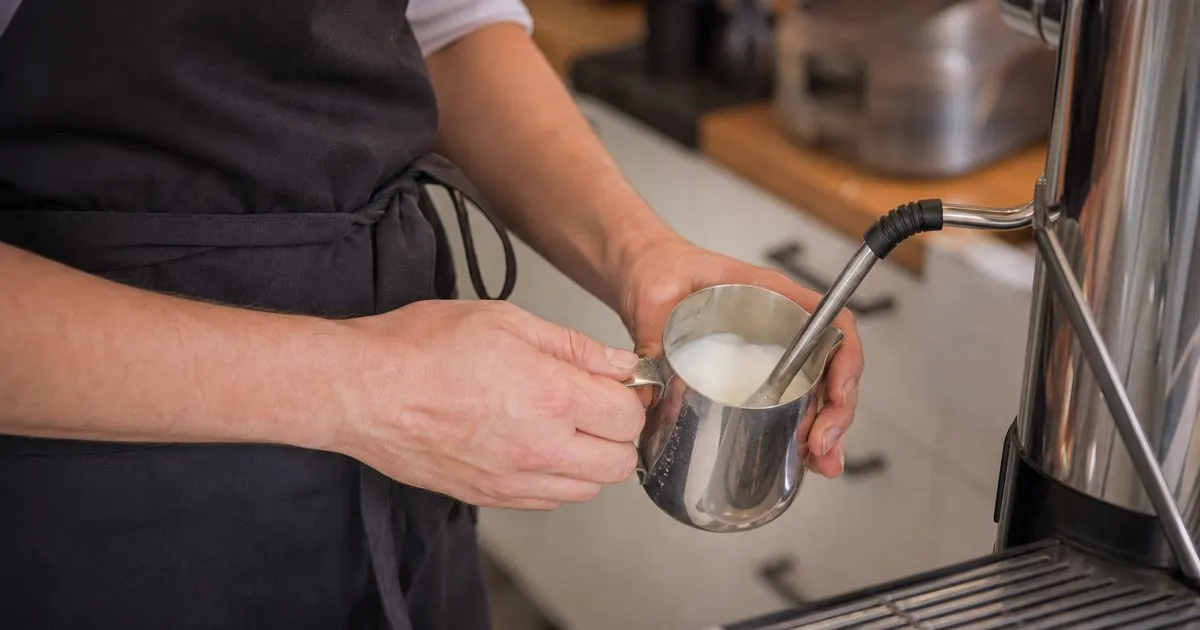
Steam pressure and boiler volume
Steam quality starts in the boiler. A dedicated steam boiler on a prosumer machine typically holds pressure somewhere around one to one and a half bar, and the larger the boiler and heating element, the longer it can sustain that pressure while you steam. Small boilers can start strong and fade halfway through a pitcher, forcing you to stretch the milk quickly and then wait as the texture goes flat. Large boilers keep the pressure steady, which lets you work slowly and deliberately. Related: What actually separates a prosumer espresso machine from an everyday home model?
Some machines allow you to raise the steam boiler setpoint, which increases pressure and speed. More is not automatically better. Very high steam pressure textures a small pitcher in seconds and leaves a beginner with big bubbles and scalded milk. What you want is enough power to texture a twenty ounce pitcher without fading, combined with enough control to go slowly when pouring for one.
Keep reading: What actually separates a prosumer espresso machine from an everyday home model?, How important is a dual boiler when choosing a luxury espresso machine?, Should you pair your espresso machine with a separate high end grinder?. See how Cremaholm helps you a connoisseur guide to prosumer and luxury espresso machines.
Tip design changes everything
The steam tip is a small brass or stainless part that has an outsized effect. Tips vary in the number of holes, typically two to four, and in hole diameter, and what governs steam volume is the total open area of those holes. A two hole tip releases less steam and textures milk more slowly, which gives a beginner time to position the tip and incorporate air, and suits small pitchers. A four hole tip with similar hole diameters moves more steam, stretches a large pitcher quickly, and drives a vigorous whirlpool, but it can overwhelm a small pitcher in seconds. Many manufacturers include one tip and sell alternatives separately; some machines ship with two. Related: Which build materials and boilers hold up best in a prosumer espresso machine?
Because tips thread onto the wand, they are one of the cheapest upgrades in the entire hobby. If your machine's steam feels either too violent or too weak for the pitcher size you use, try a different tip before blaming the boiler. A tip with holes angled slightly outward tends to create a better vortex in a wide pitcher, while a straight, narrow jet works well in a small one. Related: How important is a dual boiler when choosing a luxury espresso machine?
Articulation, reach, and cool touch
A wand on a ball joint that swings freely in every direction is far easier to position than one that only pivots in a single plane. You need to bring the tip just below the surface at an angle that spins the milk, and a stiff wand forces you to tilt the pitcher awkwardly. Reach matters too: a long wand clears a tall pitcher and gives room to angle it, while a short one bumps against the drip tray or the machine's body.
Cool touch or insulated wands stay safe to handle and shed less milk residue, because dried milk clings to hot metal. The trade-off is that some insulated wands are thicker and slightly less nimble. Either style works with a habit of wiping and purging immediately after steaming. A wand that is a burn hazard, however, tends to be wiped less often, and a crusted wand is the fastest route to off flavors in milk drinks.
Controls: knobs, levers, and joysticks
How you open the steam valve influences how you work. A multi-turn knob offers fine control over steam volume and allows partial opening, which is helpful when learning. A quarter turn lever or a joystick opens the valve quickly, which experienced users prefer because the hand is free to hold the pitcher and the steam arrives all at once for a clean stretch. Joysticks that also dispense hot water and close themselves when released are a genuine luxury. Related: How do you plan plumbing and water treatment for a luxury espresso setup?
Whichever control you choose, listen for how the steam behaves when the valve first opens. Some machines spit a burst of condensed water before dry steam arrives, which must be purged into the drip tray every time. Others fit a small condensation trap or drain and deliver dry steam immediately. It is a small detail, but you will repeat it several times a day for years, and the machines that handle it gracefully feel refined in a way that specifications never show.
- Boiler size and element wattage decide whether steam stays strong through a full pitcher.
- Swapping the steam tip is the cheapest way to tune steam power for your pitcher size.
- A freely articulating, sufficiently long wand makes correct positioning effortless.
- Levers and joysticks favor speed; multi-turn knobs favor learning and control.

Julien Jimenez
Julien Jimenez is an independent software builder based in Paris. He designs, ships, and operates focused SaaS products for small businesses and independent professionals. Read the full author page.
Cafe-Grade Espresso, At Home
A connoisseur guide to prosumer and luxury espresso machines. Cremaholm is built to help you put this into practice.
Find your machineMore from the Cremaholm blog

Get the complete espresso machines guide
Our full buying guide, the price guide, and new research as we publish it. One email, no spam, unsubscribe any time.